Anatomy of a Push: Understanding the Pectorals, Deltoids, and Triceps
Whether you're tossing a ball, pushing a heavy door, or hitting a personal best on the bench press, your body relies on a specific chain of muscles known as the "push" muscles. Understanding how these work together is the key to upper body power.
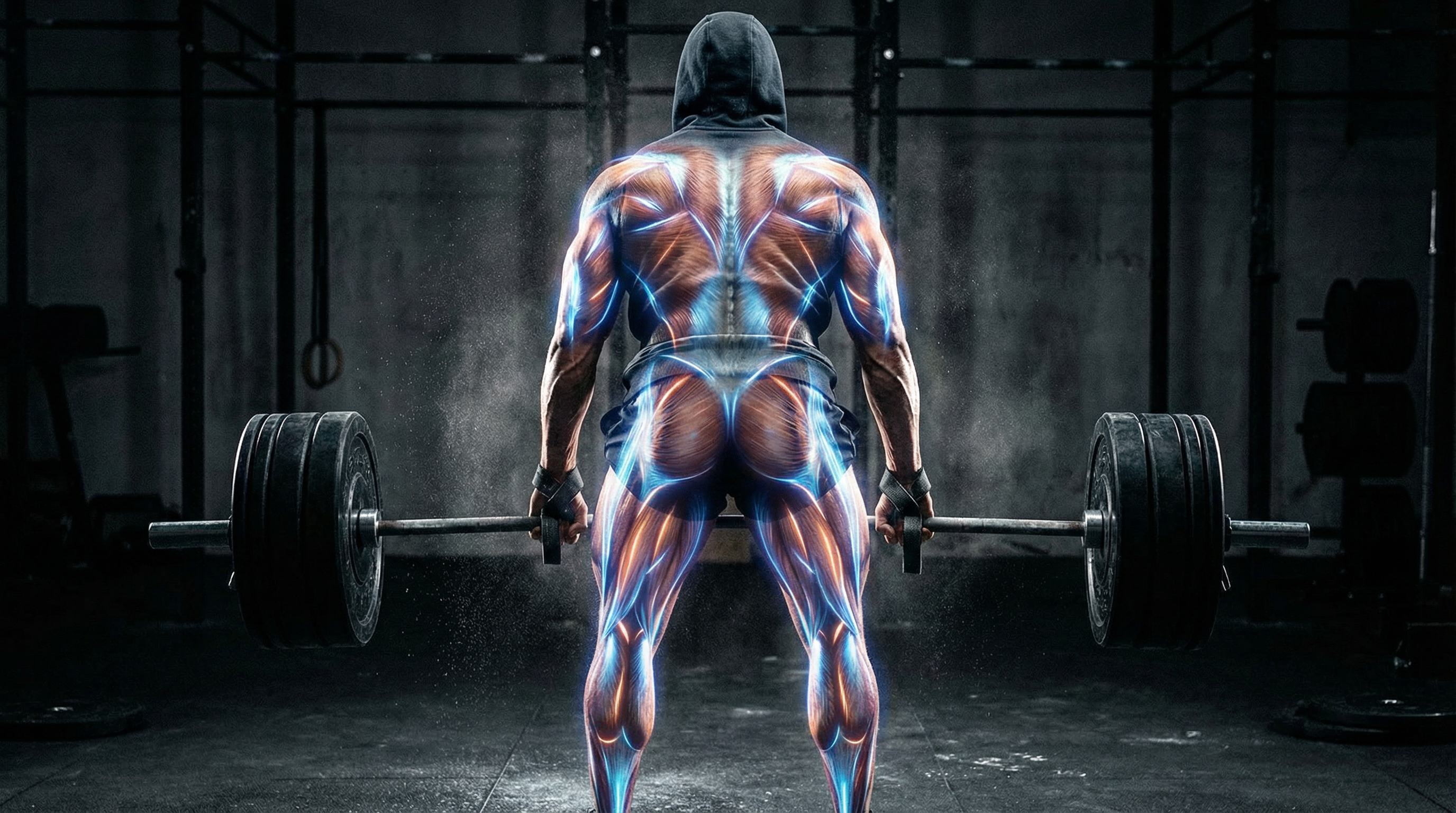
The Primary Movers
In anatomical terms, the "push" movement usually involves shoulder flexion, elbow extension, and horizontal adduction. The stars of the show are:
- Pectoralis Major: Your chest muscles, responsible for bringing your arms across your body.
- Deltoids: Your shoulder muscles, which lift your arms up and away from your center.
- Triceps Brachii: The muscles on the back of your arm that straighten your elbow.
Synergy in Motion
When you perform a push-up, these muscles work in a specific hierarchy. Your chest handles the bulk of the power at the bottom, while your shoulders assist in stabilization, and your triceps take over for the final "lockout."
Explore Your Anatomy
See exactly how your muscles work with our interactive explorer.

Click the image above to open Muscle Explorer.
Common Mistake
Faring your elbows too wide during a push can put excessive strain on the shoulder joint. Try keeping them at a 45-degree angle to better engage the chest and protect your joints.Conclusion
By splitting your training into "Push" days, you allow these synergistic muscles to work together effectively while giving your "Pull" muscles (back and biceps) time to recover. Check out the anterior view of our interactive muscle map to see these muscles in detail.